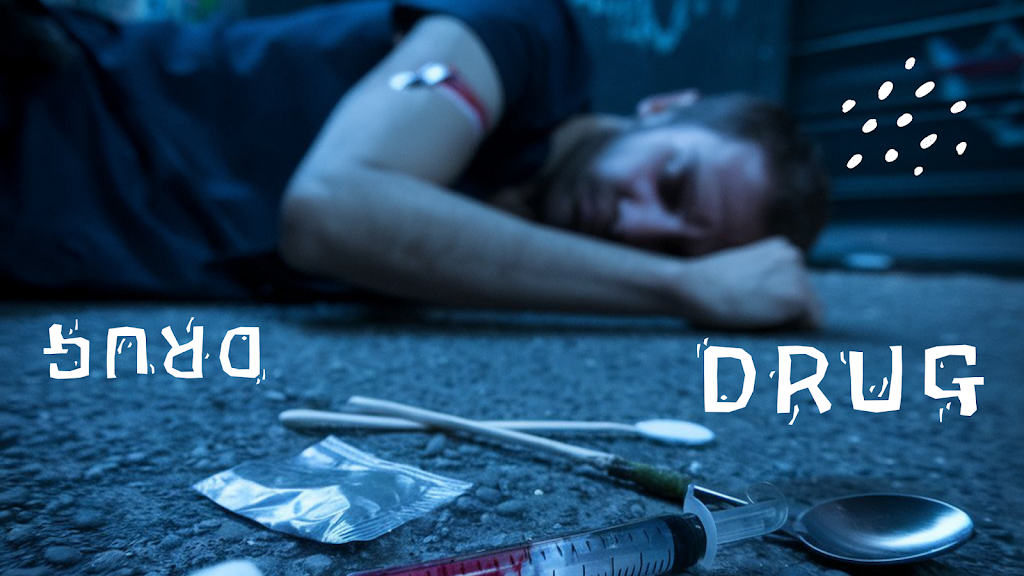
When people talk about addiction recovery, the focus is usually on the individual—the detox, the cravings, and the personal milestones. However, addiction is often described as a “family disease.” It ripples outward, tearing through the fabric of trust, communication, and safety within a home. For a long time, I believed that the damage I caused was permanent. I thought that even if I got sober, the bridge back to my loved ones was burned beyond repair.
I was wrong. It wasn’t just my sobriety that saved us; it was the structured environment of treatment. How rehab actually healed my broken family relationship wasn’t through a magic wand, but through a scientific and emotional process that forced us to confront the “elephant in the room” together.
In this article, we will explore the specific ways professional rehabilitation repairs familial bonds, the role of family therapy, and the practical steps taken to move from a state of resentment to one of genuine connection.
The Anatomy of a Broken Relationship
Before understanding the healing, we must acknowledge the damage. Addiction thrives on secrecy, manipulation, and broken promises. Over time, family members often adopt roles to survive the chaos:
- The Enabler: Trying to “fix” or hide the addict’s mistakes.
- The Hero: Overachieving to distract from the family’s pain.
- The Scapegoat: Acting out to draw attention away from the addiction.
These roles create a toxic equilibrium. Even when the substance use stops, these behavioral patterns often remain. This is why “just quitting” isn’t enough to fix a family.
How Rehab Actually Healed My Broken Family Relationship: The Three Pillars
Professional treatment centers recognize that if a person returns to a dysfunctional home environment, the risk of relapse skyrockets. Therefore, healing the family is a core clinical objective.
1. Education: Removing the Blame
One of the first things rehab does is educate the family on the science of addiction. When my parents learned that addiction is a chronic brain disease rather than a moral failing, the dynamic shifted.
- From “Why are you doing this to us?”
- To “How can we fight this disease together?” This shift from blame to empathy is the cornerstone of reconciliation.
2. Family Therapy Sessions
In the safety of a therapist’s office, the “brokenness” is finally addressed. Rehab provides a neutral ground where family members can express their pain without the fear of it triggering a relapse or an explosion.
- Facilitated Communication: A therapist ensures everyone is heard. They prevent the conversation from devolving into a “shouting match” or “shame cycle.”
- Addressing Codependency: Rehab helps family members realize that their happiness cannot be tied solely to the addict’s sobriety.
3. Establishing Healthy Boundaries
Healing doesn’t mean “going back to how things were.” In fact, going back is dangerous. Rehab teaches families how to build a new structure based on boundaries.
- Example: “I love you, but I will not give you money if you are not in a program.” These boundaries, while difficult at first, actually create the safety necessary for love to flourish again.
The Challenge: Navigating Resentment and Time
It is important to be realistic: rehab starts the healing, but it doesn’t finish it. One of the greatest challenges is the “Expectation Gap.” The person in recovery often feels like a new person after 30 days and wants immediate forgiveness. The family, however, may have years of trauma to process.
The Solution: “Living Amends”
Rehab taught me that words are cheap in early recovery. The only way to heal a broken relationship is through “living amends”—consistent, sober behavior over a long period.
- Consistency: Showing up when you say you will.
- Transparency: Being open about where you are and who you are with.
- Patience: Allowing your family the time they need to feel safe again.
Practical Insights for Families in Recovery
If you are currently navigating a relationship fractured by addiction, consider these steps:
- Attend Al-Anon or Nar-Anon: These support groups are specifically for the friends and families of addicts. They remind you that you are not alone.
- Don’t Rush the Process: Forgiveness is a marathon, not a sprint.
- Focus on Your Own Growth: The best thing a family member can do is work on their own mental health and happiness, regardless of what the individual in recovery does.
Conclusion: A New Foundation
The journey was not easy, but how rehab actually healed my broken family relationship was by giving us a common language. It gave us the tools to talk about pain without causing more of it.
Today, my relationship with my family is stronger than it was before the addiction began. We don’t take each other for granted. We have learned that while addiction has the power to tear us apart, a structured recovery process has the power to knit us back together—stronger at the broken places.
Key Takeaways:
- Addiction is a family disease that requires a family solution.
- Rehab shifts the perspective from personal blame to medical understanding.
- Family therapy provides a safe space to dismantle toxic roles and codependency.
- Healing requires boundaries, patience, and “living amends” over time.
Frequently Asked Questions (FAQ)
1. Does every rehab offer family therapy?
Most reputable residential and intensive outpatient programs (IOP) include a family component. It is always best to ask about “Family Week” or family counseling options during the intake process.
2. What if my family refuses to participate in therapy?
You can still heal yourself. While it is ideal for everyone to participate, your recovery is your own. Often, when a family sees the positive changes in their loved one over time, they become more open to joining the process later.
3. How do we rebuild trust when it has been broken so many times?
Trust is rebuilt in “micromoment” increments. It starts with small things—answering the phone, being home on time, and being honest about small mistakes. Over months and years, these small moments stack up to create a new foundation of trust.
4. Is it possible for a relationship to be “too broken” to fix?
While most relationships can find a path to healing, safety is paramount. In cases of ongoing abuse or toxic dynamics that threaten someone’s sobriety or physical safety, “healing” might mean maintaining a healthy, loving distance rather than living together.